During this blessed month of spiritual cleansing, repentance, and steadfastness, consider making a donation toward our efforts in serving The Quran, so that every individual—Muslim and non-Muslim—can connect with Allah (SWT) during His month. Whether it is a one-time donation or Sadaqah Jariyah, no investment is small in the view of Allah (SWT) in the month of The Quran.
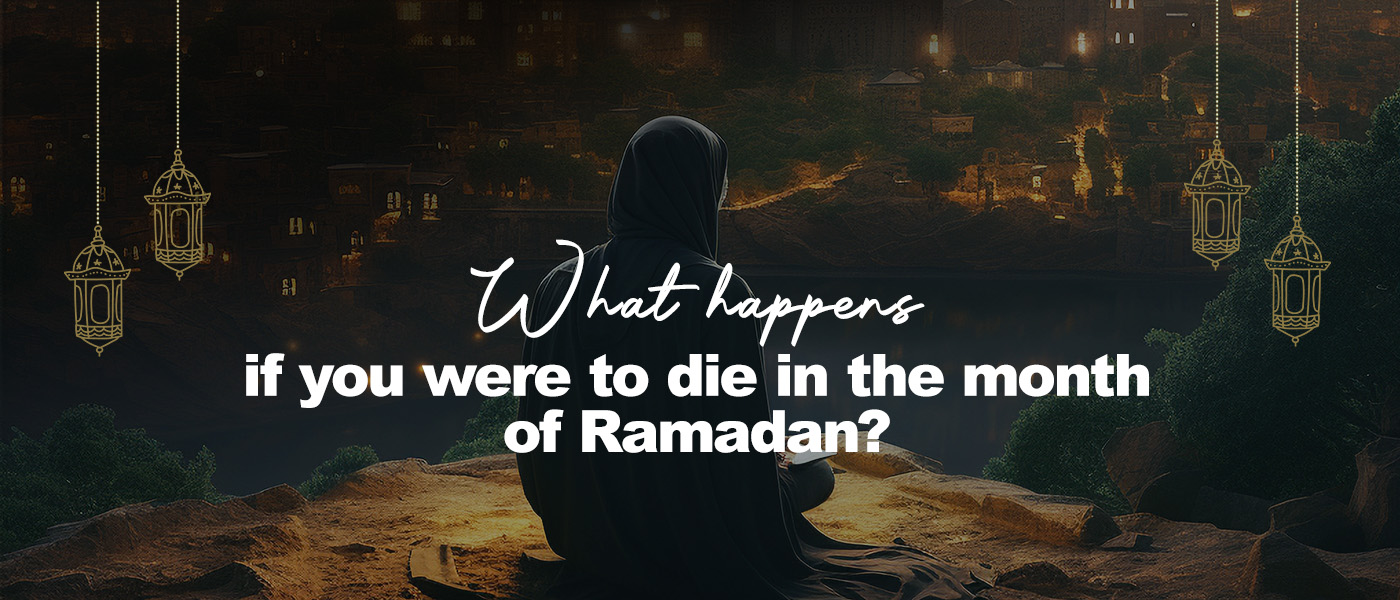
Ramadan is widely recognized as a time for spiritual nourishment and renewal – an entire month filled with the practice of restraining oneself from sin, engaging in deep reflection, and returning to Allah (SWT). However, for some, the return to Allah (SWT) will be more literal as Ramadan becomes the final chapter of their journey in this dunya. What does it mean to die during the holiest month in the Islamic calendar? Is it merely a coincidence, or does it symbolize something deeper about the state of a person’s soul and their relationship with their Lord? Does the timing of death carry weight in the sight of Allah (SWT), or is it the life one lived that determines the true value of a final breath?
These questions resonate more strongly during Ramadan because the month itself cultivates a heightened awareness of one’s mortality. The fast dulls worldly distractions. The Quran speaks to us on a deeper level. The heart becomes more tender. As believers spend the month detaching from material comforts and turning inward, the idea of returning to Allah (SWT) begins to feel less like a chore, and we find that eagerness takes its place. Then, when death comes to take the soul of a fasting believer, we are then drawn to pause, reflect, and ask the important question: what does such a departure truly mean?
This article will explore the impact and implications of dying in Ramadan through the lens of Islamic theology, spiritual psychology, and reflection. We will examine the meanings of such a death, how our traditions have framed this, and what lessons it offers to those who are living.
Ramadan and death in Islam
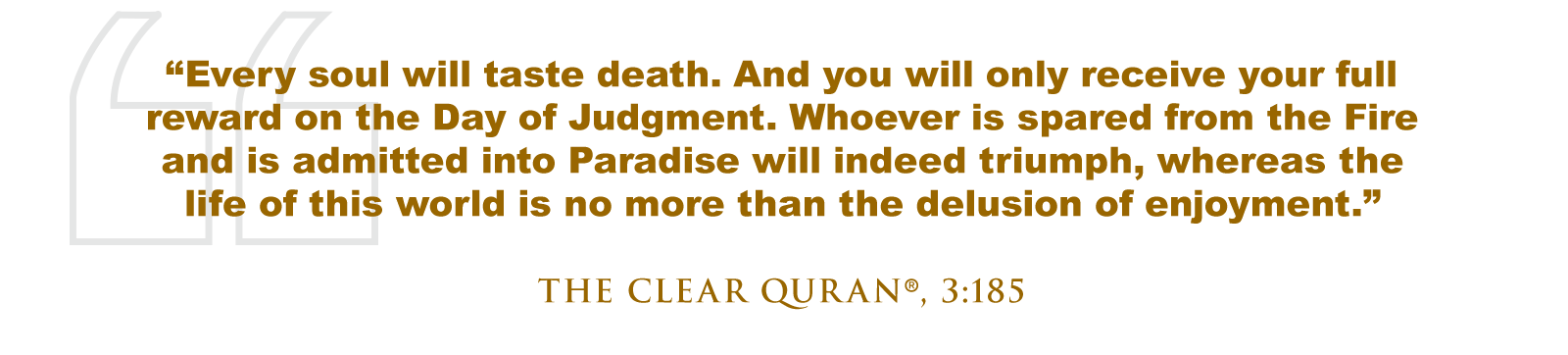
Unlike most religions, Islam offers a strikingly different view of death than what is common in secular or materialist cultures. Rather than being viewed as an end, death in Islam is framed as a transition where a soul returns to one’s Creator, and death is a passage from the temporary world to the eternal. As Allah (SWT) states in The Quran, “Every soul will taste death. And you will only receive your full reward on the Day of Judgment. Whoever is spared from the Fire and is admitted into Paradise will indeed triumph, whereas the life of this world is no more than the delusion of enjoyment.” (The Clear Quran®, 3:185)
Death is not incidental to Islamic consciousness, it is central. Our Prophet Muhammad (SAW) told us to remember death often, calling it “the destroyer of pleasures.” (Tirmidhi)
This constant awareness is not meant to induce despair, but to redirect the believer’s focus to what ultimately matters. Ramadan brings this reminder to the front. With each fast, each prayer, each withheld impulse, the believer is asked to consider their end. Fasting trains the soul to relinquish attachment whether it is to food, to comfort, and/or to the distractions of the world. It is, in essence, a practice of letting go, and in that letting go, we find ourselves face-to-face with the inevitability of death. Each evening, as the fast is broken, the believer experiences a small metaphor for the final release which is the end of striving, but the beginning of eternal rewards.
This daily repetition of hunger, reflection, and fulfillment is a great discipline for the human mind and body. It teaches us how we must die as believers (with intention, humility, and hopes of Allah’s (SWT) acceptance). The believer who internalizes these lessons begins to live in a state of conscious preparation. Ramadan is the month of that training, and for some, it becomes the final station of the soul.
Is there any significance of dying in Ramadan?
There is a widely held perception among Muslims that dying in Ramadan is a sign of divine favor from Allah (SWT). While this idea holds cultural weight, it also opens a deeper theological conversation for us. What exactly does it mean to die during a blessed time? More importantly, what does it mean to live in a way that makes any time of death a blessed one? Prophet tradition offers some insight for us. Our Prophet (SAW) has said, “Whoever fasts one day seeking the Face of Allah and that was his final action, will enter Paradise.” (Musnad Ahmad)

This hadith, while simple, highlights something important for us to ponder upon. A single act of sincere worship, if it coincides with the moment of death, can be transformative in a person’s standing with Allah (SWT). It reminds us that our final actions matter, and that a believer who dies while engaged in such sincere worship may be granted Paradise because of their purity and timing.
Further, our Prophet (SAW) has also mentioned that, “When Ramadan begins, the gates of Paradise are opened, the gates of Hell are closed, and the devils are chained.” (Sahih Muslim)
However, scholars also clarify that dying in Ramadan is not, in and of itself, a guarantee of Paradise. It all depends on the sincerity and effort of the individual. Imam al-Nawawi and other scholars have emphasized that what matters most at the time of death is the state of the heart, the consistency of faith, and one’s final deeds. The Quran affirms this when it says, “O believers! Be mindful of Allah in the way He deserves, and do not die except in a state of full submission to Him.” (The Clear Quran®, 3:102)
This leads to a key distinction. One must not mistake a sacred timing for spiritual entitlement. A death in Ramadan may be a sign of mercy, but it must be read within the broader biography of the deceased. Were they seeking Allah (SWT)? Did they embody the values of Ramadan in their character, conduct, and intentions? That is where the true meaning resides.
The psychological and spiritual dimensions of death in Ramadan
Fasting in Ramadan introduces a unique psychological landscape. It quiets the body and slows the pace of life. In this stillness, the believer is more likely to engage with difficult but necessary truths among them the reality of their own mortality. This introspective state can transform the way we think about death. It shifts the conversation from fear to preparation, from avoidance to acceptance. When one dies in Ramadan, it is often within an environment of heightened spiritual awareness. The soul may be more inclined toward surrender. The heart may be more open to repentance. The ego may be, for once, quiet enough to listen.
Moreover, Ramadan reduces the noise of the dunya, allowing the signs of the akhirah to become clearer. The Quran reminds us, “O believers! Fasting is prescribed for you—as it was for those before you—so perhaps you will become mindful of Allah.” (The Clear Quran®, 2:183)
This elevation of taqwa makes Ramdhan a time of profound spiritual lucidity. For those nearing the end of life, that clarity can be a mercy. It allows for reconciliation, for last acts of worship, and for sincere turning back to Allah (SWT).
Implications for the living
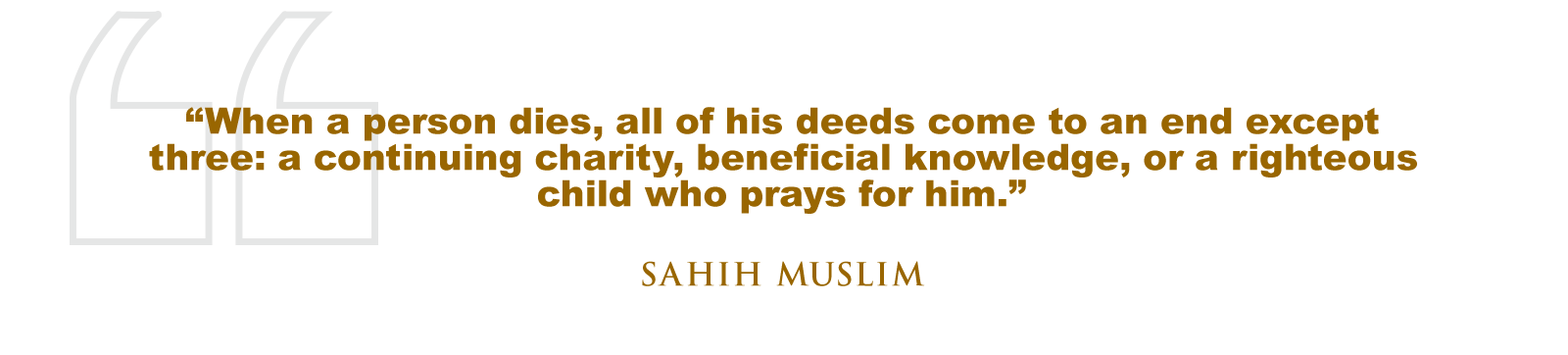
For those who witness the passing of a loved one in Ramadan, there is both comfort and responsibility. Comfort, because we believe in the special mercy of this month. Responsibility, because the believer must respond to death not just with grief, but with action. The tradition teaches us to give charity on behalf of the deceased, to pray for their forgiveness and to honor their legacy through continued acts of worship. The Prophet (SAW) said, “When a person dies, all of his deeds come to an end except three: a continuing charity, beneficial knowledge, or a righteous child who prays for him.” (Sahih Muslim)
More than that, it calls us to reflect on our own trajectory. Are we living in a way that would make any moment of death a welcome meeting with our Lord? Ramadan shows us who we are without the distractions of appetite and routine. It is a season of clarity, and that clarity includes a reckoning with the fact that we, too, will return to Allah (SWT). This should prompt a conscious realignment of priorities, relationships, and one’s relationship with Allah (SWT). Ramadan is not simply a time to perform religious duties, but to reassess one’s spiritual condition. If death were to come this month, would we meet it while in remembrance or in heedlessness? That is the question each of us must ask.
How do we proceed towards a more meaningful end?
Dying in Ramadan is not a prize to be won. It is a possibility to be respected, a reminder to be heeded. It tells us that the best death is not the most poetic, but the most prepared. The one preceded by sincere striving, honest repentance, and sustained submission. As believers, we cannot control the timing of our death, but we can control the state in which it finds us. Ramadan, then, is not about hoping to die at the right time. It is about living in the right way. That is the true blessing of this sacred month. Not just that it may witness our end, but that it teaches us how to meet it.
May Allah (SWT) allow us to reach Ramadan, to benefit from it, and whenever our time comes, to meet Him in a state He is pleased with.
Dua
O Allah! Let us be among those who reach Ramadan with full faith and sincere intention, who fast in obedience to You, and whom You take from this world while You are pleased with them.
O Allah! If our appointed time is written in this blessed month, then make our final deeds the best of our deeds, our final days the most spiritually alive of our days, and our final breaths filled with Your remembrance.
O Allah! Grant us a good ending. Make the last words upon our tongues La ilaaha ilallah! Conclude our lives with righteous actions, and admit us into Paradise without reckoning or punishment.
O Allah! Have mercy on our deceased, and those who passed away in Ramadan, count their death as a form of martyrdom, forgiveness, and light in their graves. Admit them through the Gates of Rayyan among the people of fasting.
O Allah! Do not deprive us of the blessings of this month. Do not make us heedless. Forgive all of our sins the small and the great, the first and the last, the public and the hidden!
Ameen, Ya Rabb!