As the blessed days of Dhul Hijjah arrive, a time marked by devotion, sacrifice, and drawing nearer to Allah (SWT), we invite you to be part of a mission that carries His words to hearts across the world. While pilgrims answer the call of Hajj and believers fill these days with worship and remembrance, you can help place The Quran into the hands of those searching for guidance, hope, and connection with their Creator. Whether your support is given as a one-time charity or as a lasting Sadaqah Jariyah, every act of generosity during these sacred days carries immeasurable weight with Allah (SWT).
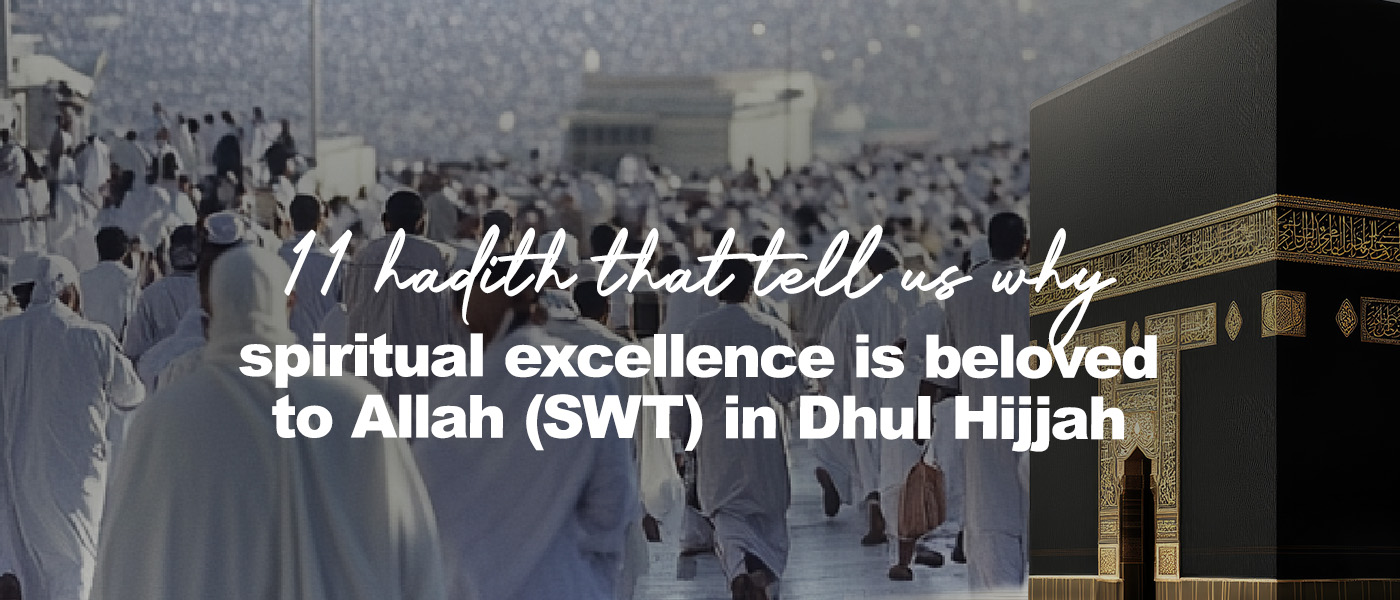
The first 10 days of Dhul Hijjah are among the most sacred and spiritually significant days in Islam. Allah (SWT) honored them in The Quran, and the Prophet (SAW) emphasized their immense virtue through numerous authentic ahadith. These days combine some of the greatest acts of worship in Islam such as prayer, fasting, charity, dhikr, Hajj, sacrifice, and sincere repentance, making them a unique opportunity for believers to draw closer to Allah (SWT). From the unmatched rewards of righteous deeds to the mercy and forgiveness granted on the Day of ‘Arafah, the Sunnah highlights Dhul Hijjah as a season of worship, reflection, and renewal. The following ahadith explore the profound significance of these blessed days and the many ways Muslims are encouraged to honor them.
These days are the best for righteous deeds:
- Ibn Abbas (ra) reported that the Prophet (SAW) has said, “There are no days in which righteous deeds are more beloved to Allah than these 10 days.” The companions asked, “Not even jihad in the path of Allah?” He (SAW) replied, “Not even jihad in the path of Allah except for a man who goes out with his life and wealth and returns with neither.” (Sahih Bukhari)
The importance and reward of fasting and ibaadah on the Day of ‘Arafah:
- “Fasting on the Day of ‘Arafah, I hope from Allah, expiates the sins of the previous year and the coming year.” (Sahih Muslim)
- “There is no day on which Allah frees more servants from the Fire than the Day of ‘Arafah.” (Sahih Muslim)
- “Indeed, Allah boasts to the inhabitants of the heavens about the people of ‘Arafah.” (Musand Ahmad)
- “The best supplication is the supplication on the Day of ‘Arafah. And the best thing I and the Prophets before me have said is, ‘There is no god but Allah alone without partner; to Him belongs all dominion and praise, and He has power over everything.’” (Jami at-Tirmidhi)
Dhikr and fasting during the first 10 days of Dhul Hijjah:
- Regarding the 10 days, the Prophet (SAW) has said, “Increase in them your saying of: “La ilaaha ilallah” (tahlil); “Allahu Akbar” (takbir); “Alhamdulillah” (tahmid).” (Musnad Ahmad)
- Lady Hafsah bint Umar (ra) has reported that, “The Messenger of Allah used to fast the first nine days of Dhul Hijjah.” (Sunan Abi Dawud)
The second greatest Eid in the entire Islamic calendar:
- “The greatest day before Allah is the Day of Sacrifice (Yawm al-Nahr).” (Sunan Abi Dawud)
- “The days of Tashriq are days of eating, drinking, and remembrance of Allah.” (Sahih Muslim)
- “The son of Adam does no deed on the Day of Sacrifice more beloved to Allah than shedding blood (the sacrificial animal).” (Jami at-Tirmidhi)
- “When the 10 days begin and one of you intends to offer a sacrifice, let him not remove anything from his hair or skin.” (Sahih Muslim)
Dua
O’ Allah (SWT)! Bless us for the days of Dhul Hijjah, help us in them to remember You, thank You, and worship You excellently.
Make us among those who are accepted and forgiven, grant us sincere repentance, a humble heart, and righteous deeds that are accepted by You.
Ameen, ya Rabb!